
Ordering from Russia to the EU: A Practical Guide to Russian Stores and Cross-Border Shipping
Shopping across continents used to feel like a puzzle with missing pieces. Now, a growing community of customers living in countries like Germany, France, Italy, Spain, and the Netherlands is regularly ordering goods from Russian online stores. The appeal stretches far beyond nostalgia or curiosity. It is about accessing something genuinely different. Whether someone is hunting for a specific moisturizer made with Altai herbs, a wool coat from a Saint Petersburg atelier, or a rare scale model kit unavailable on Amazon, delivery from Russia to the EU has quietly become a practical and popular solution.
Most Russian stores do not offer EU-friendly payment gateways. Many do not ship outside Russia at all. Even browsing product pages can be frustrating when automatic translation fails and prices appear in rubles only. This is the problem that en.Aukciony.com was built to solve. Instead of wrestling with incompatible checkout systems or begging sellers to make exceptions, customers simply share links to whatever they want. A dedicated manager handles the purchase using local Russian payment methods, receives the parcels at a domestic warehouse, consolidates multiple orders, repackages everything securely. And dispatches the shipment to any address within the European Union.
What follows is a tour through the Russian retail universe, organized not by algorithm but by genuine customer interest. Every store mentioned here is a real place where real people spend their money.
The Marketplace Giants Where Everything Begins
Before diving into niche boutiques and specialist retailers, it helps to understand the big four. These marketplaces are the backbone of Russian e-commerce. And together they hold a staggering share of the country’s online retail volume.
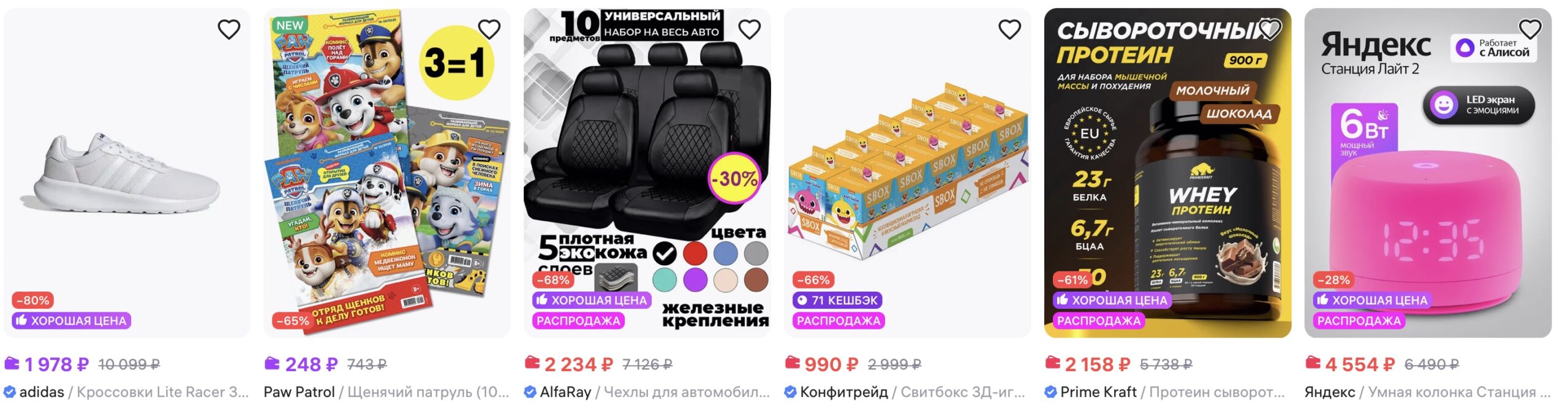
Wildberries is the undisputed heavyweight. Originally founded as an online clothing retailer, it has ballooned into a colossal digital department store. Clothes, shoes, cosmetics, kitchen gadgets, pet food, bed linen, power tools. If a Russian household needs it, Wildberries probably sells it. European customers often use it as a starting point simply to see what is available before narrowing their search elsewhere.
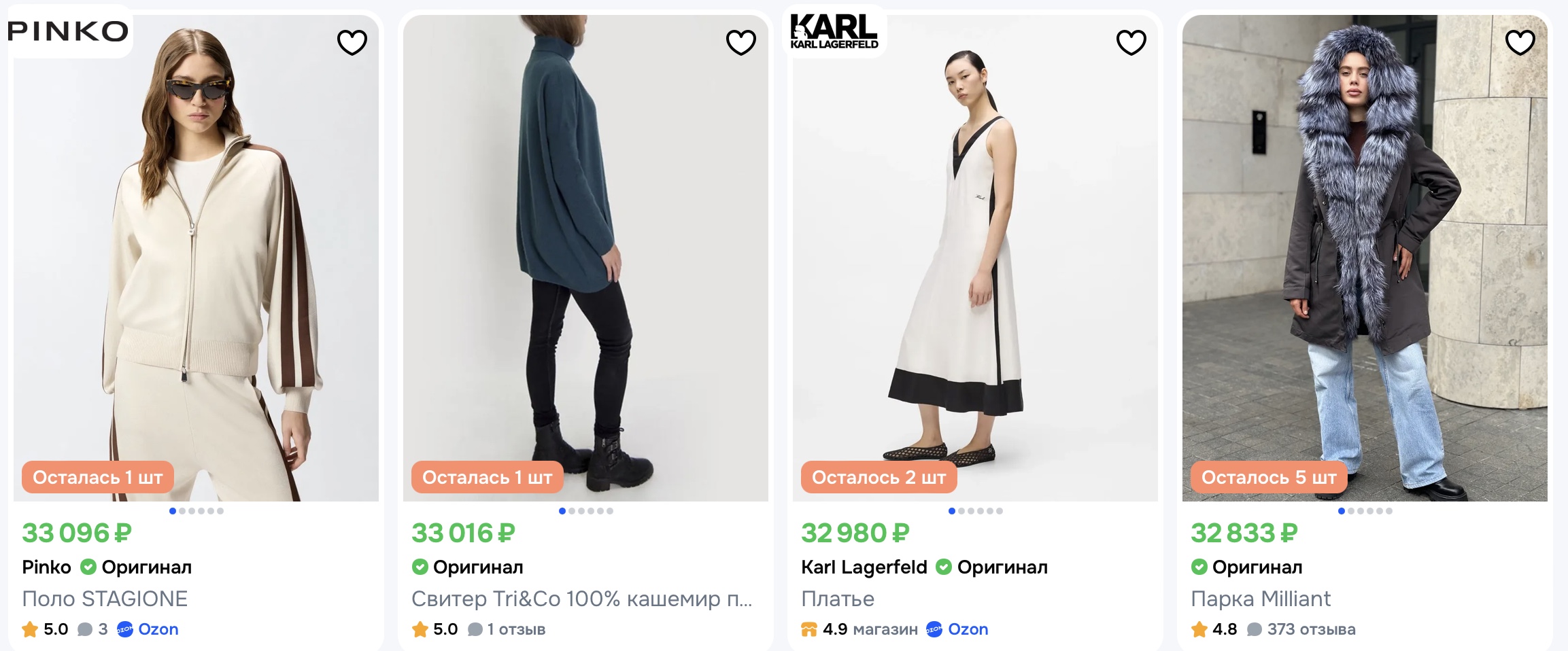
Ozon occupies a similar space but with a slightly different personality. Often described as Russia’s answer to a certain American everything-store, Ozon places more emphasis on clothes, books, electronics, and home goods. Its logistics network is formidable, and its product pages tend to be detailed and well-organized.
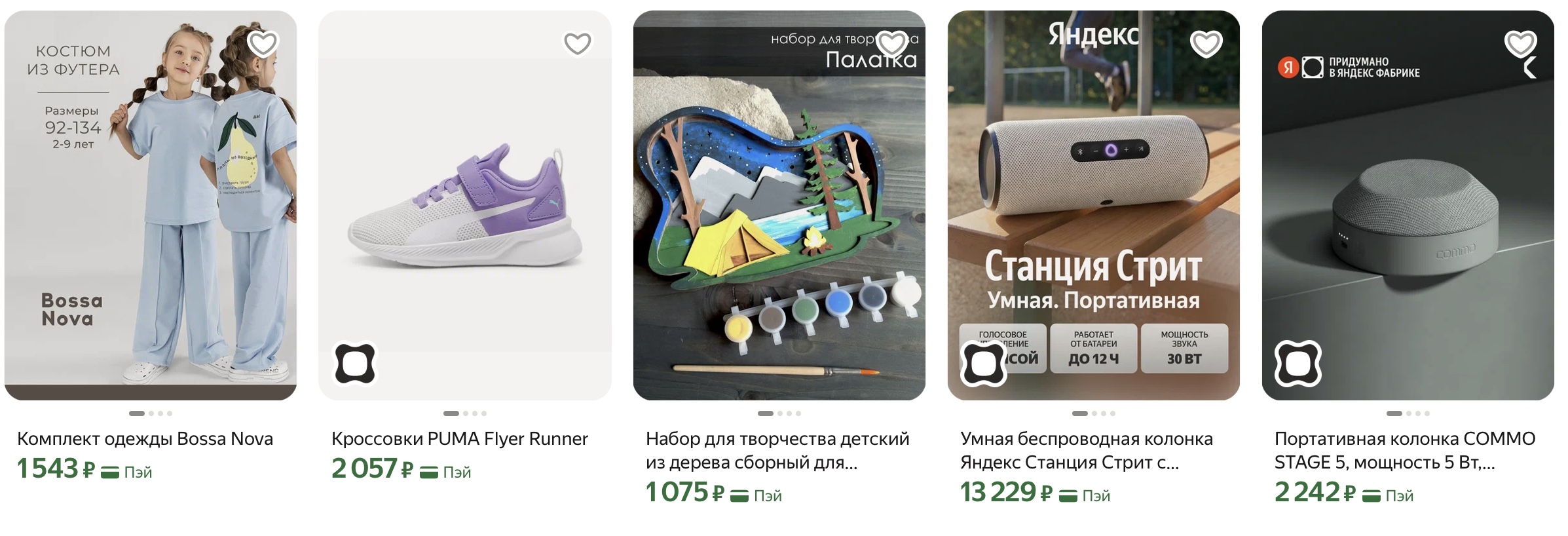
Yandex Market, backed by Russia’s dominant search engine, shines brightest in tech categories. Laptops, smartphones, smart home devices, and components populate its listings. It also offers price comparison features that help buyers spot deals across different sellers.
Lamoda keeps things focused. Fashion, footwear, and accessories are its entire world. And within that world, it commands serious respect. European shoppers who already know what size they need in Russian brands often find Lamoda’s filtering and delivery options particularly reliable.
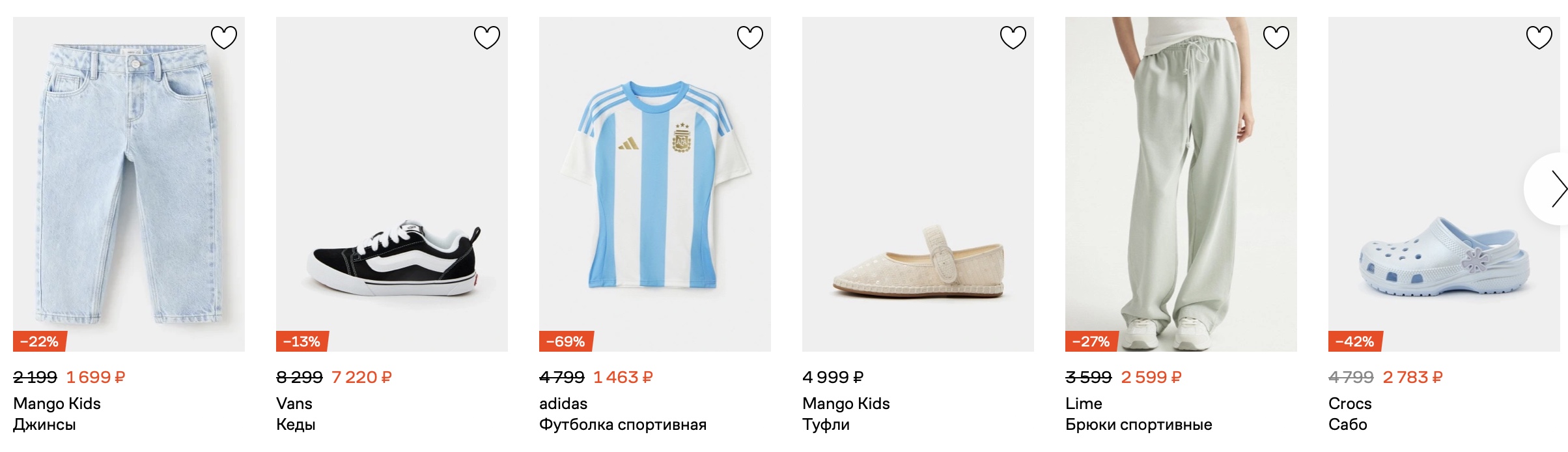
Using these platforms for delivery from Russia to the EU becomes much more economical when a forwarding partner consolidates items from several marketplaces into one box. A coat from Lamoda, a phone case from Yandex Market, and a set of kitchen knives from Wildberries can travel together, splitting the international shipping cost across all three purchases.
Beauty from the Cold: Skincare and Wellness with Siberian Roots
Perhaps no category of Russian export generates as much international loyalty as natural cosmetics. There is something about the story of plants surviving brutal winters that resonates with skincare enthusiasts. The marketing writes itself, but the product quality often backs it up.
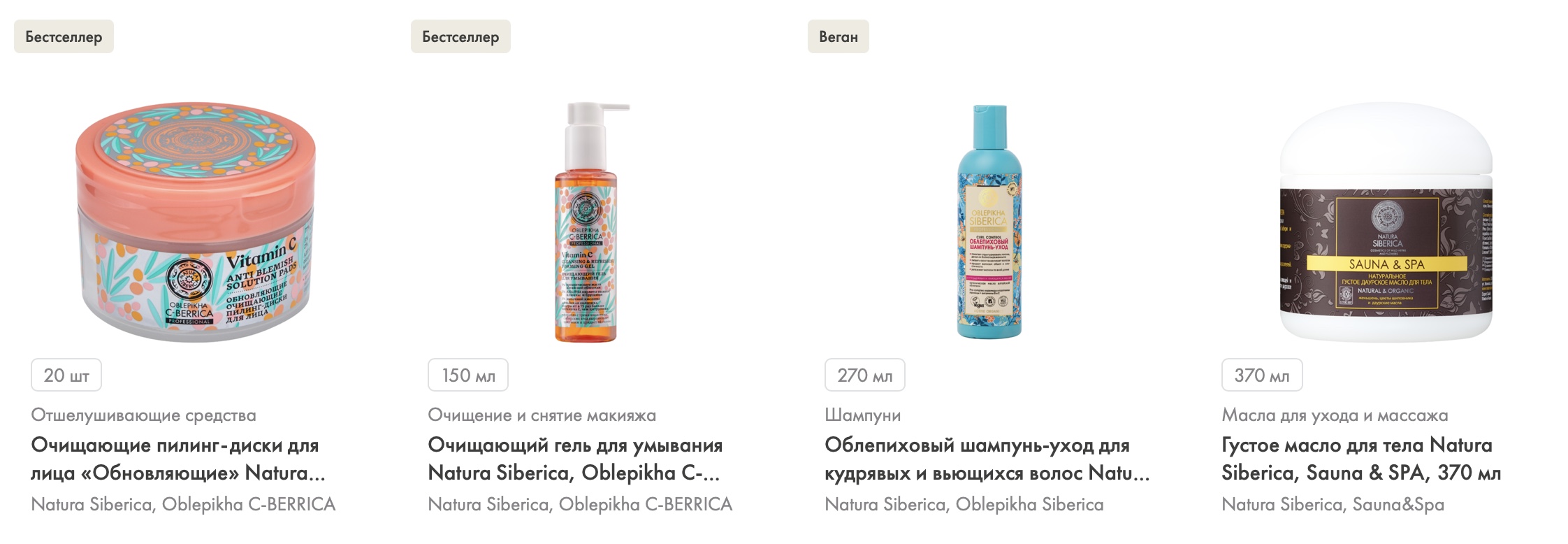
Natura Siberica remains the flag-bearer. Its shampoos, face masks, and body lotions appear in bathroom cabinets from Lisbon to Helsinki. The brand harvests wild herbs in ecologically clean regions and freezes them on-site to preserve active compounds. It sounds like a gimmick. Until you try the sea buckthorn scalp scrub and realize your scalp has never felt calmer.
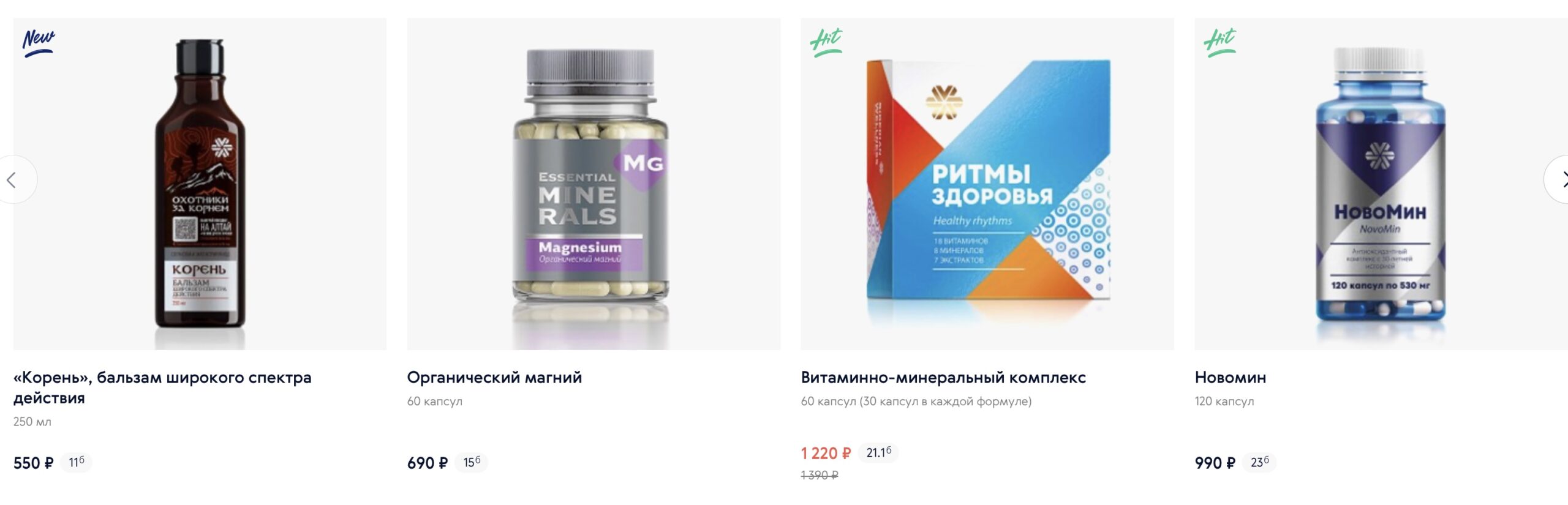
Siberian Wellness takes a broader wellness approach, blending supplements with topical products. Their vitamin complexes, protein blends, and herbal teas appeal to a demographic that views health as a holistic daily practice rather than a reactive measure.
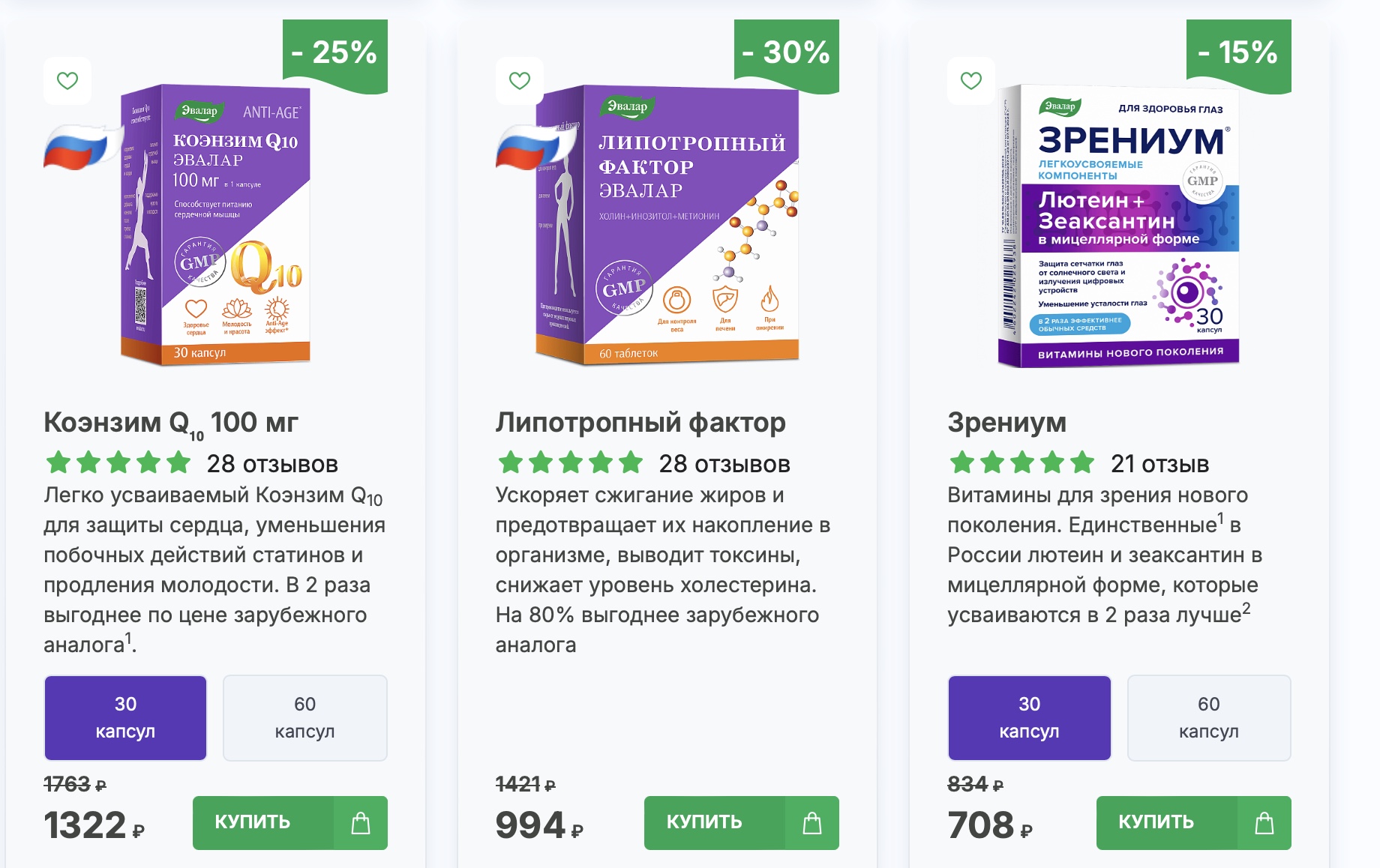
Evalar is less about branding and more about efficacy. Russia’s supplement giant produces standardized extracts, tinctures, and vitamin formulations that pharmacies across the post-Soviet space have stocked for decades. European customers often order Evalar products for specific needs. Milk thistle extract for liver support, motherwort tincture for sleep, or adaptogenic herb blends for stress management.
Then there are the smaller Altai specialists. Berloga Zdorovia, Apteka Altai, Altaymag, and Altai Souvenir occupy a rustic corner of the wellness market. They sell dried herbs, chaga mushroom chunks, cedar resin balms. And honey-based remedies packaged with minimal branding. The audience for these products skews toward people who already use traditional European herbalism. And are curious about its Russian counterpart. Finding any of this in an EU health food store is nearly impossible. Which is why delivery from Russia to the EU has become the default supply chain for this community.
Fashion: From Catwalk Adjacent to Streetwear Staples
The Russian fashion scene deserves more column inches than it typically receives in Western media. It is not a monolith. It spans luxury houses, conceptual studios, minimalist basics labels, and a thriving streetwear underground. European buyers have started paying attention. Partly because the price-to-quality ratio is often excellent and partly because the designs feel fresh compared to the homogenized output of global fast fashion.
At the premium end, Leform and VipAvenue anchor the upper tier. Leform has built its reputation around curated contemporary fashion and avant-garde pieces that push silhouettes into sculptural territory. VipAvenue complements this with luxury collections and high-end apparel from established Russian and international designers. Expect structured tailoring, evening wear, and polished accessories from both platforms.
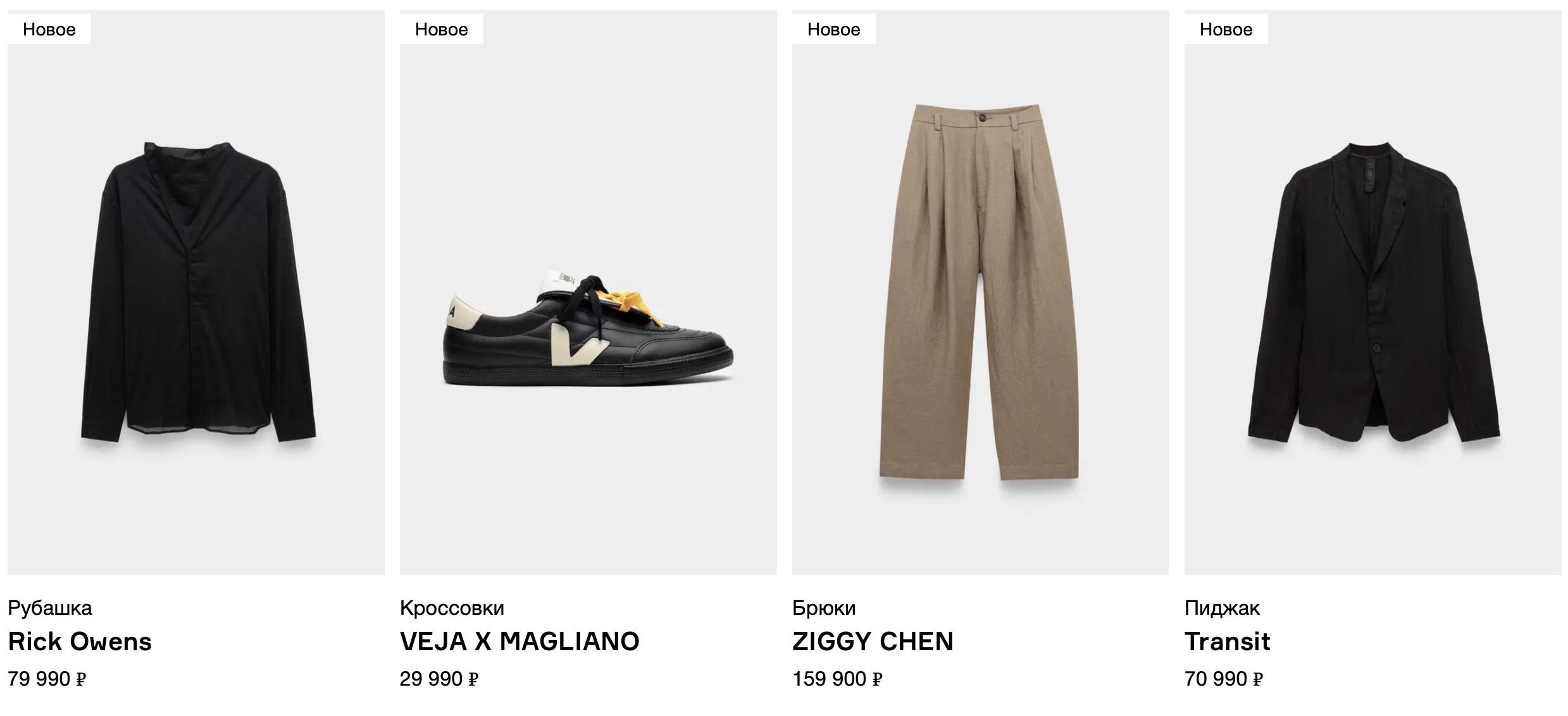
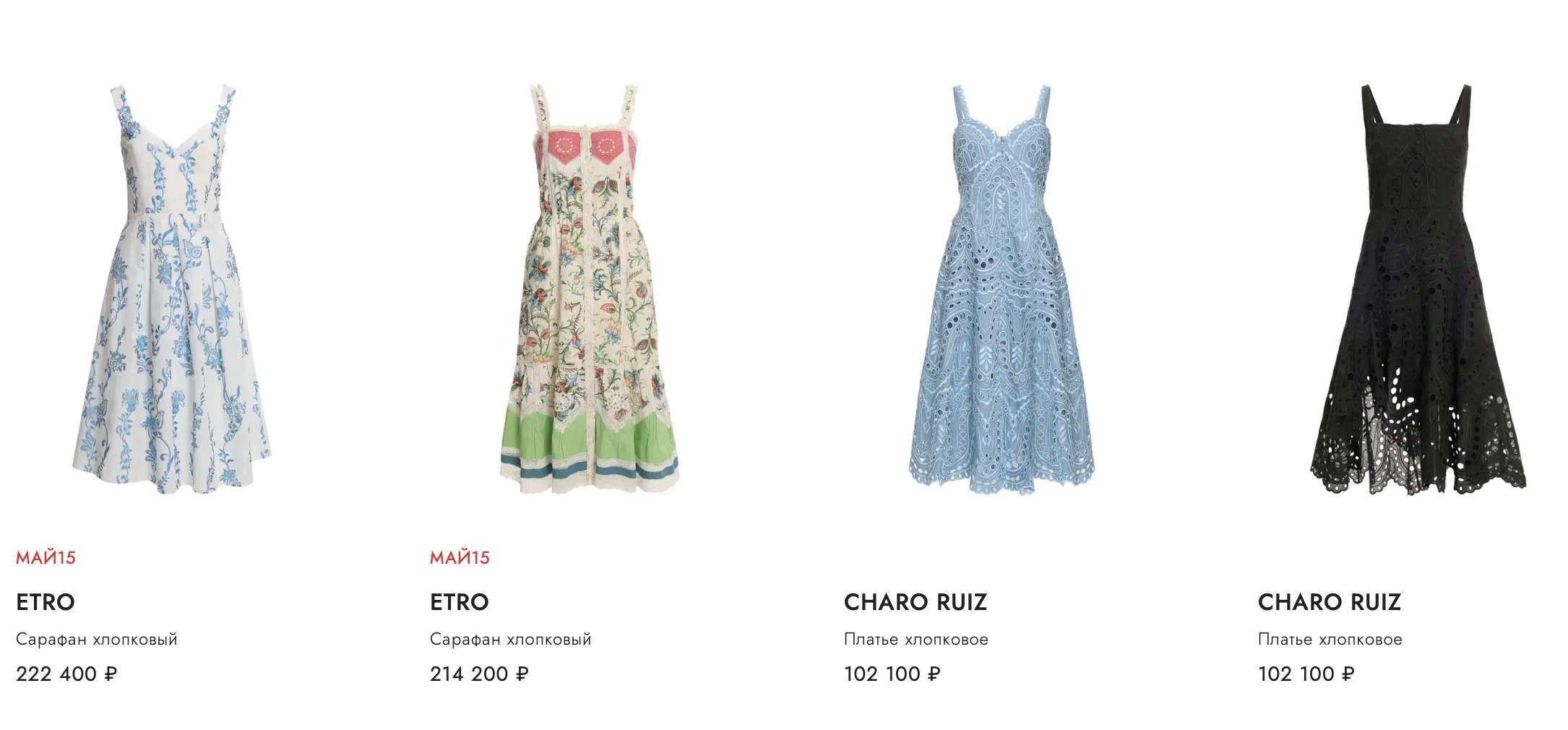
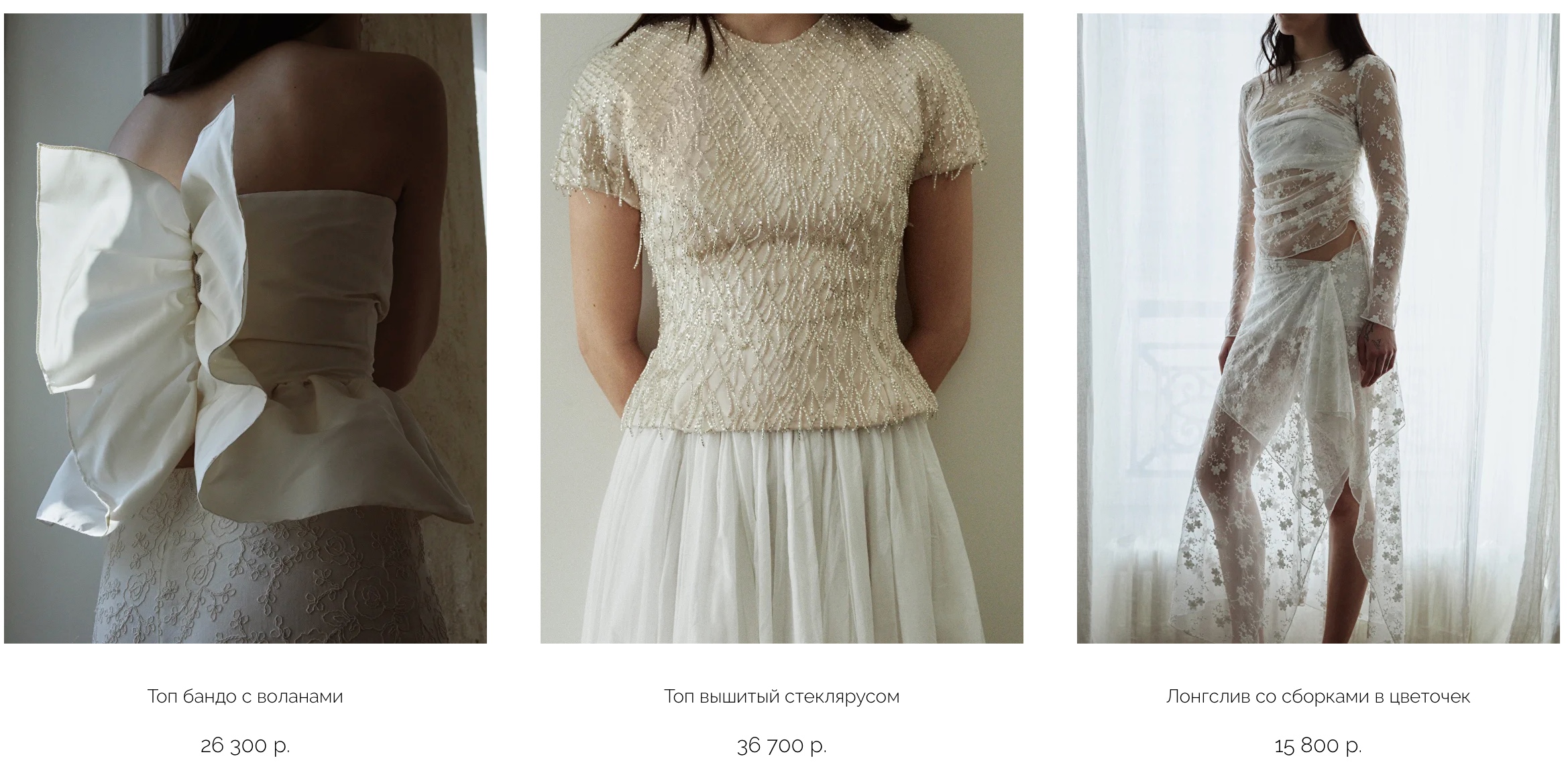
For everyday dressing, a constellation of independent brands has built loyal followings. My812, Acte, TOPTOP, Gate31, Vassa&Co, Ushatava, Reflection of You, and I AM STUDIO all orbit around a shared aesthetic: clean lines, neutral palettes, natural fabrics, and cuts that prioritize comfort without sacrificing structure. A typical customer in Berlin or Copenhagen might wear a My812 relaxed blazer with vintage denim. And feel perfectly at home in either city.
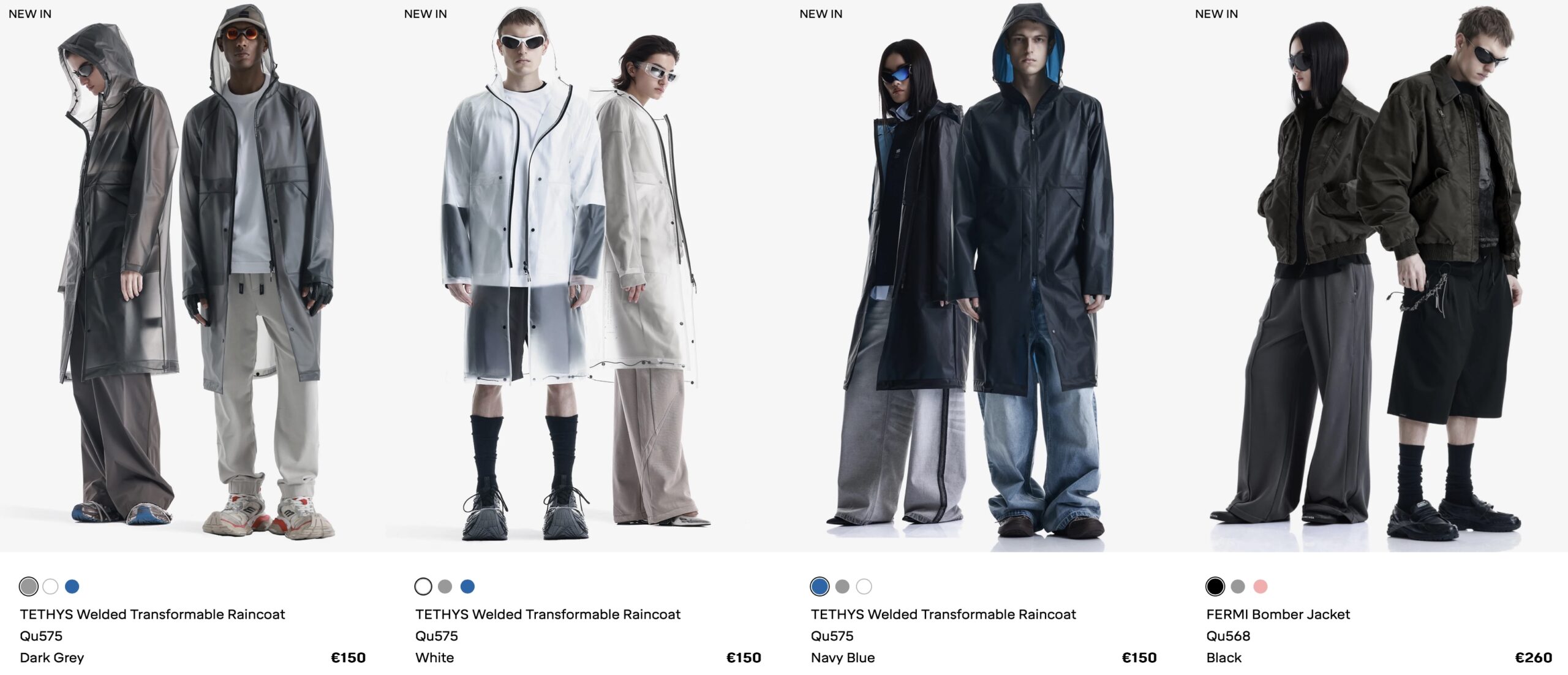
The streetwear crowd gravitates toward labels with louder personalities. Hiss, Zaporozhets, QB, Bat Norton, Evgo, Xsai, Mech, and Krakatau deliver baggy proportions, graphic prints, technical outerwear, and an attitude that channels post-industrial cityscapes. Krakatau, in particular, has built a reputation for functional coats that withstand rain and sleet while looking architecturally interesting.
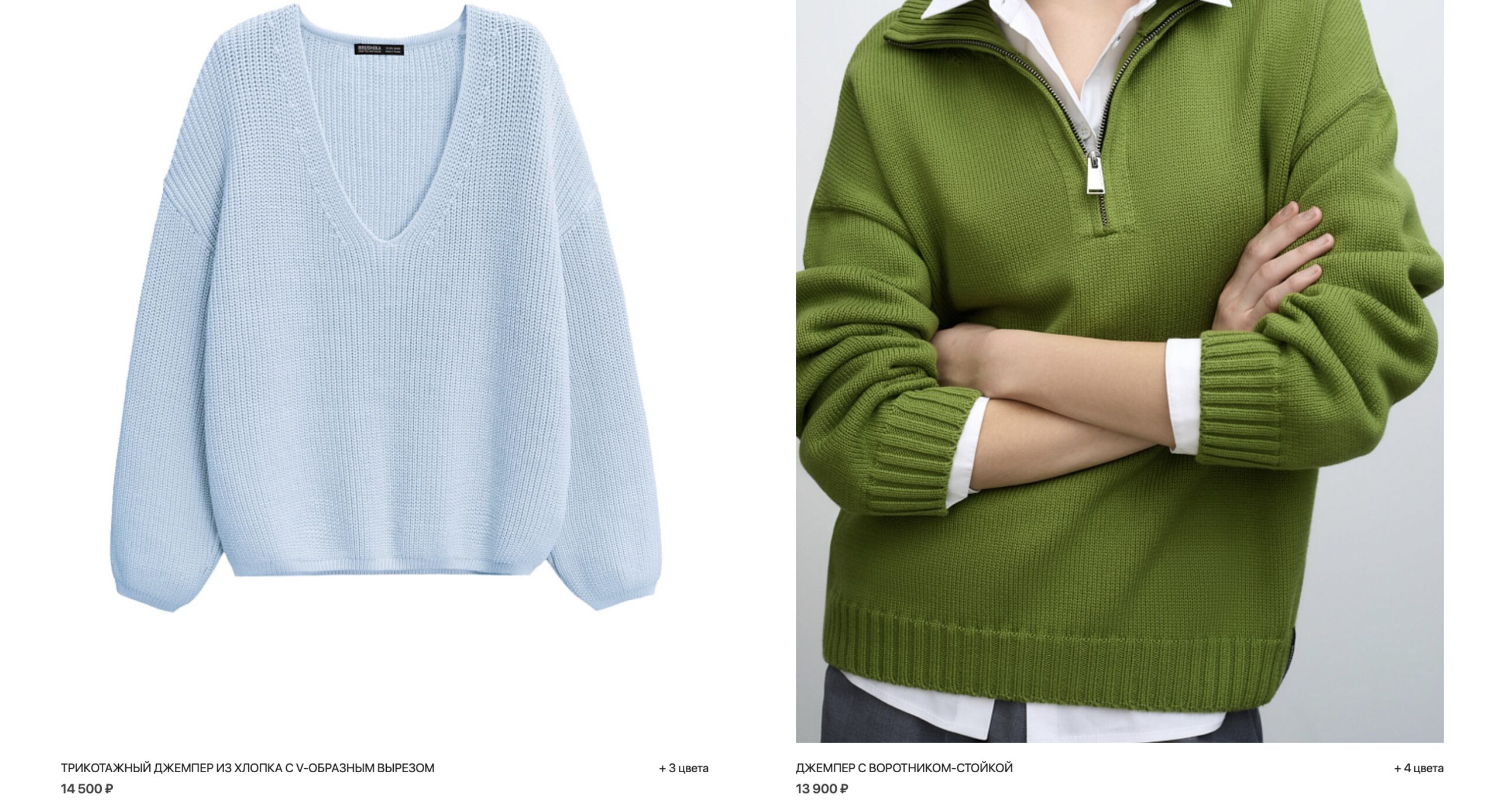
Knitwear deserves its own paragraph. Russian winters demand serious wool, and brands like Cheboksary Knitwear, Onepointone, Brusnika, and Sakton have turned necessity into craft. Their sweaters, cardigans, and knit sets feel substantial. These are garments meant to last multiple seasons. And for EU customers facing damp, chilly winters, they are practical purchases dressed up as fashion.

Sports, Outdoors, and the Stadium Experience
Athleisure and performance gear form another strong pillar of demand for delivery from Russia to the EU.
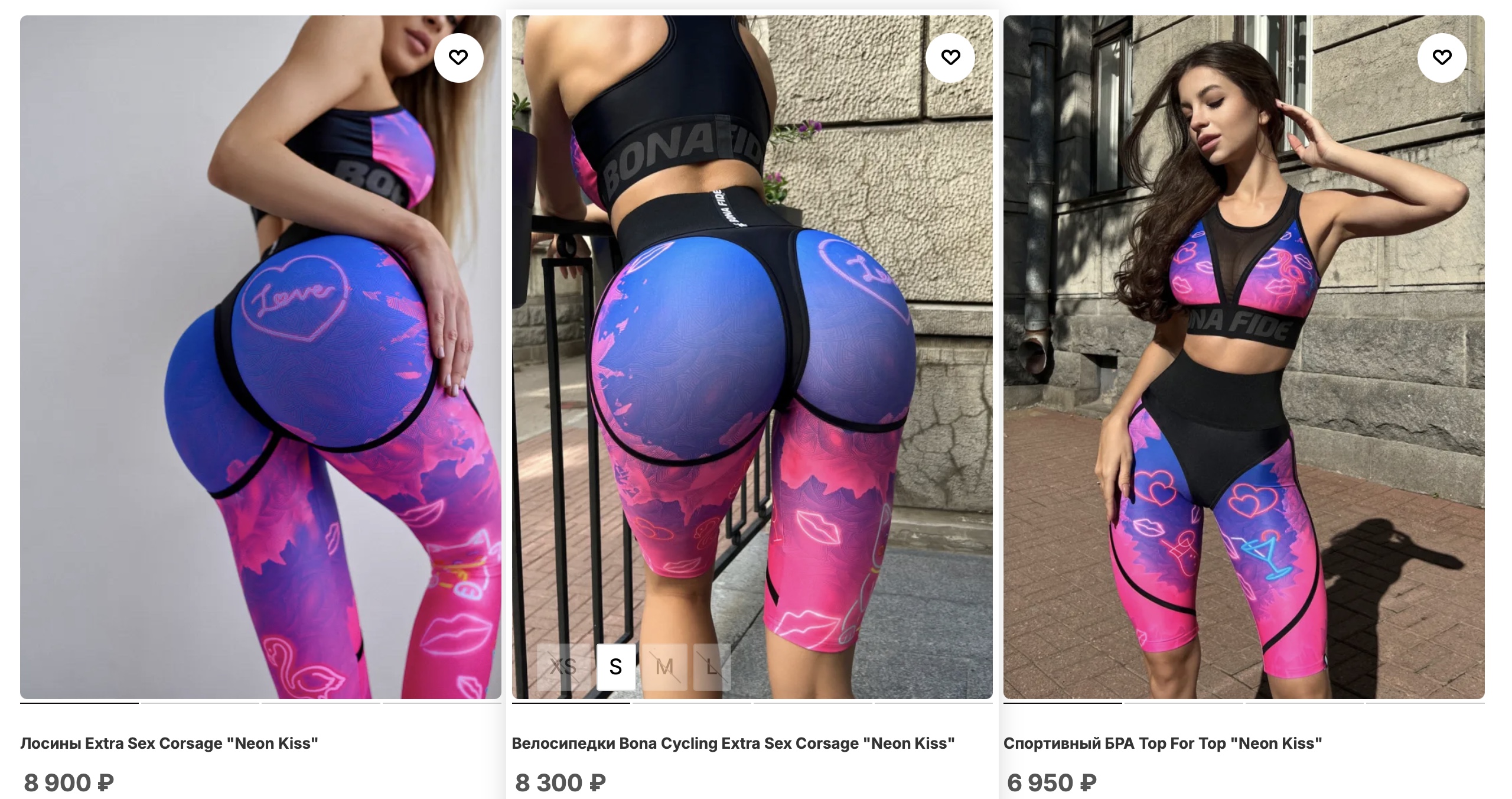
Bona Fide occupies a niche at the intersection of fitness and street style. Their leggings, sports bras, and training tops feature graphic prints that make a statement in the gym.
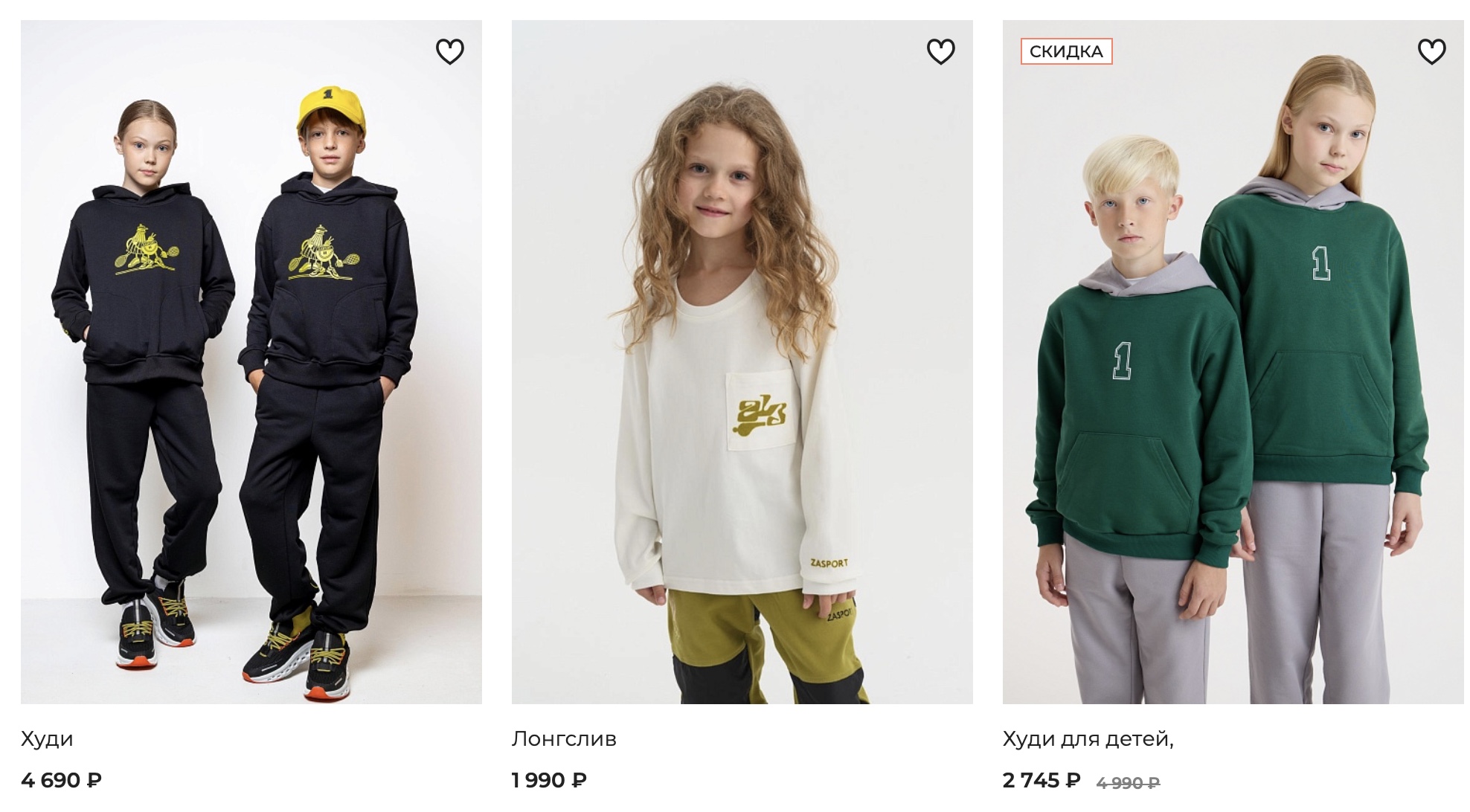
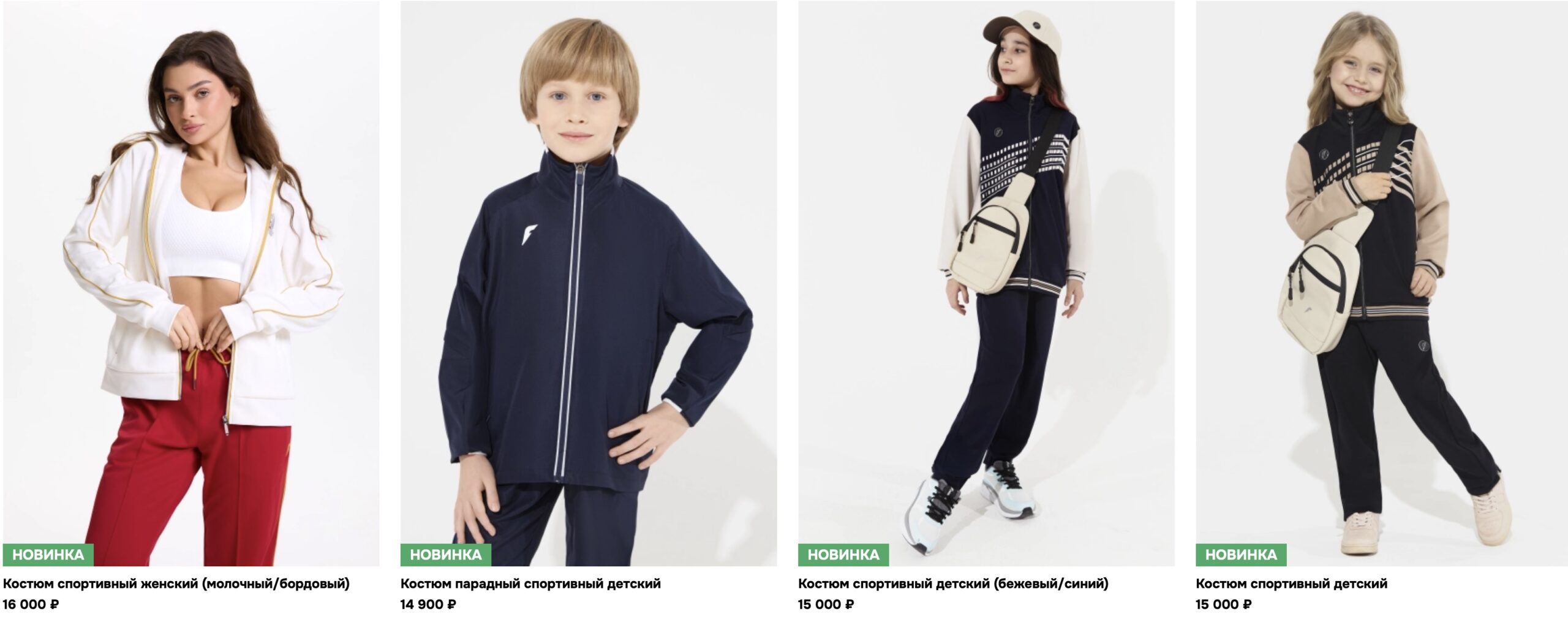
Zasport and Forward cater to a different audience: sports fans who want official Russian team apparel, tracksuits, and branded accessories tied to national athletic programs.
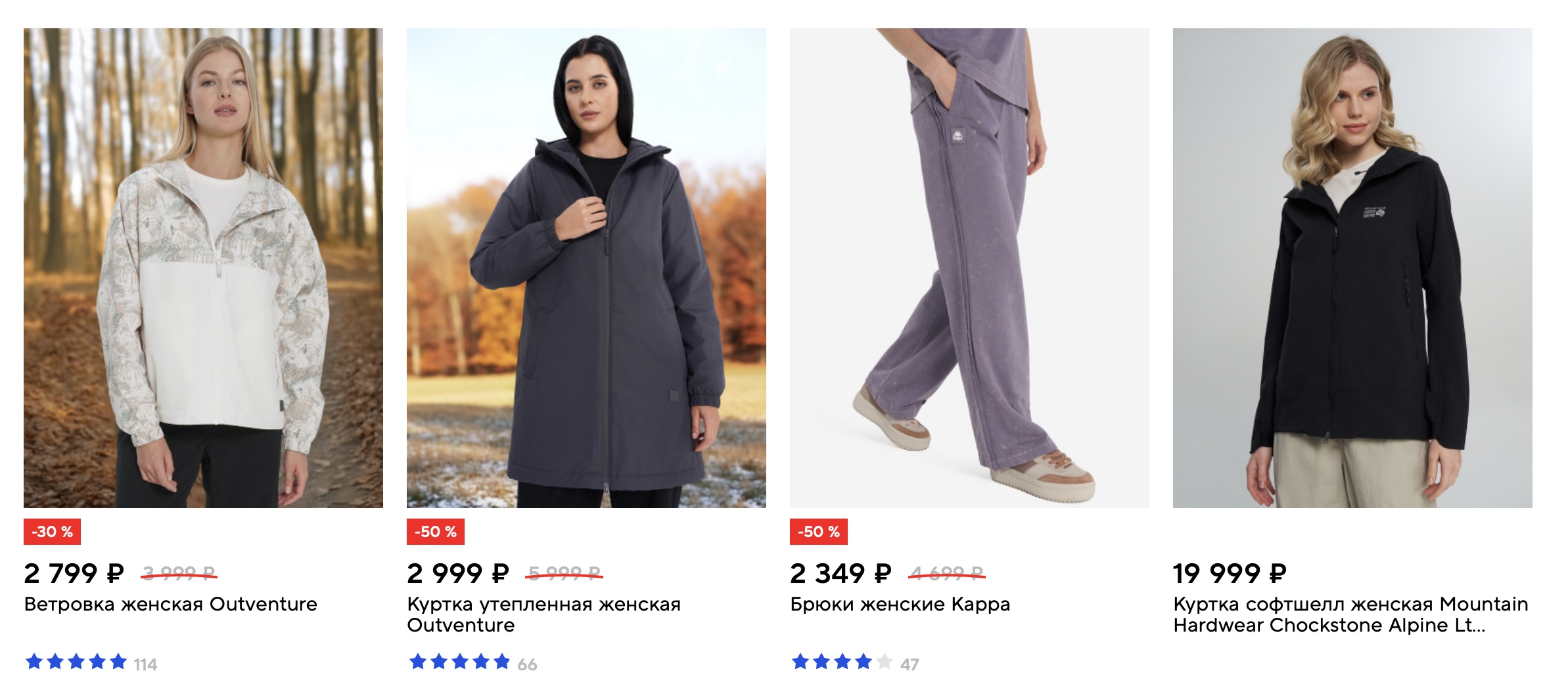
Outdoor enthusiasts tend to migrate toward Sport Marafon. This retailer stocks serious equipment. Hiking boots, trekking poles, thermal base layers, waterproof jackets. The kind of gear that gets tested on real trails, not just photographed for lookbooks. DFsport and Outlandia complement this with more accessible activewear that transitions between exercise and errands.
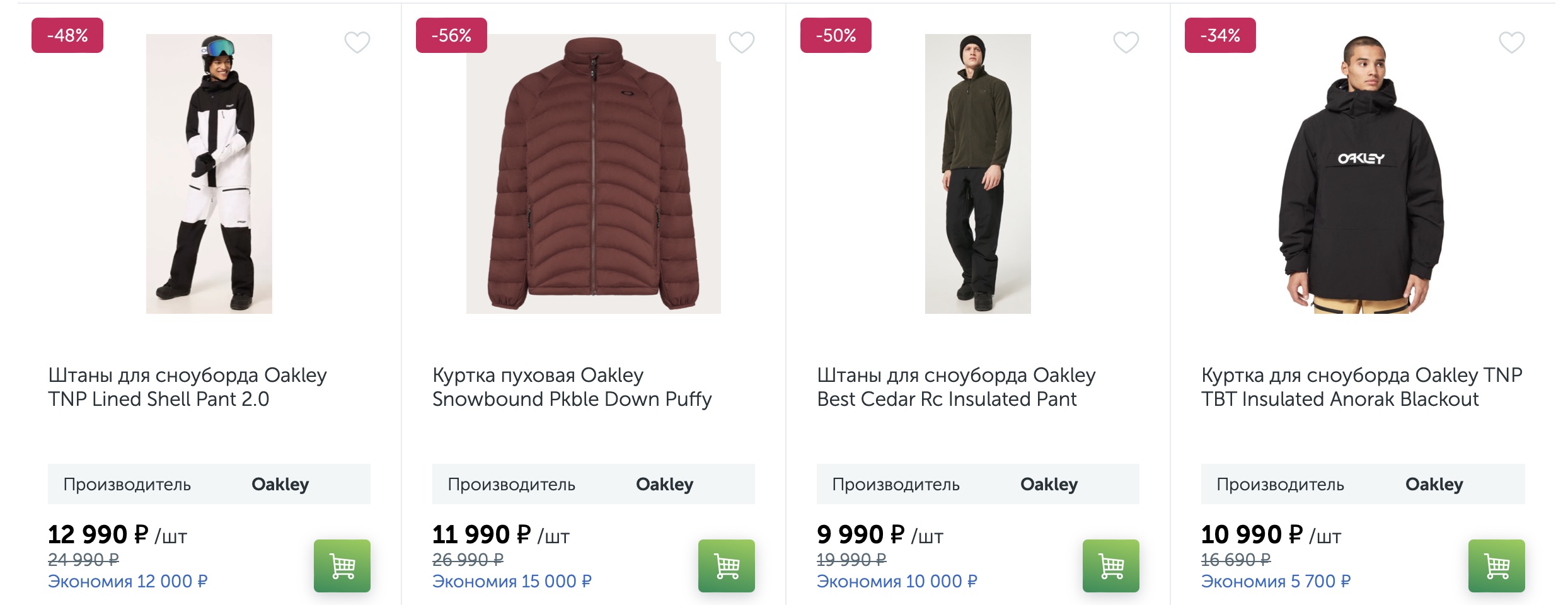
Sportmaster covers the mainstream, offering everything from footballs to yoga mats under one roof. Its range is broad and its pricing competitive.
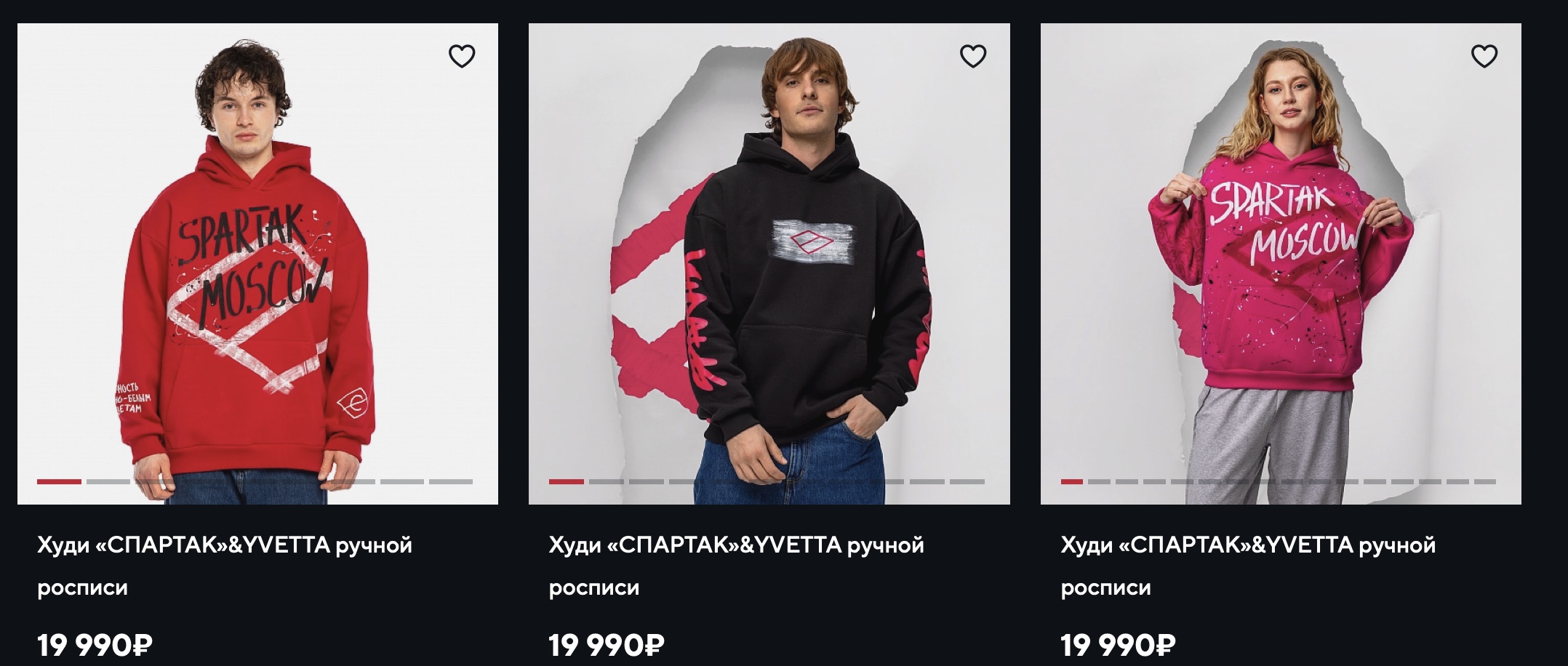
Football fandom adds another layer. The official club stores of Lokomotiv, Zenit, and Spartak sell jerseys, scarves, and memorabilia that rarely appear in EU sports shops.
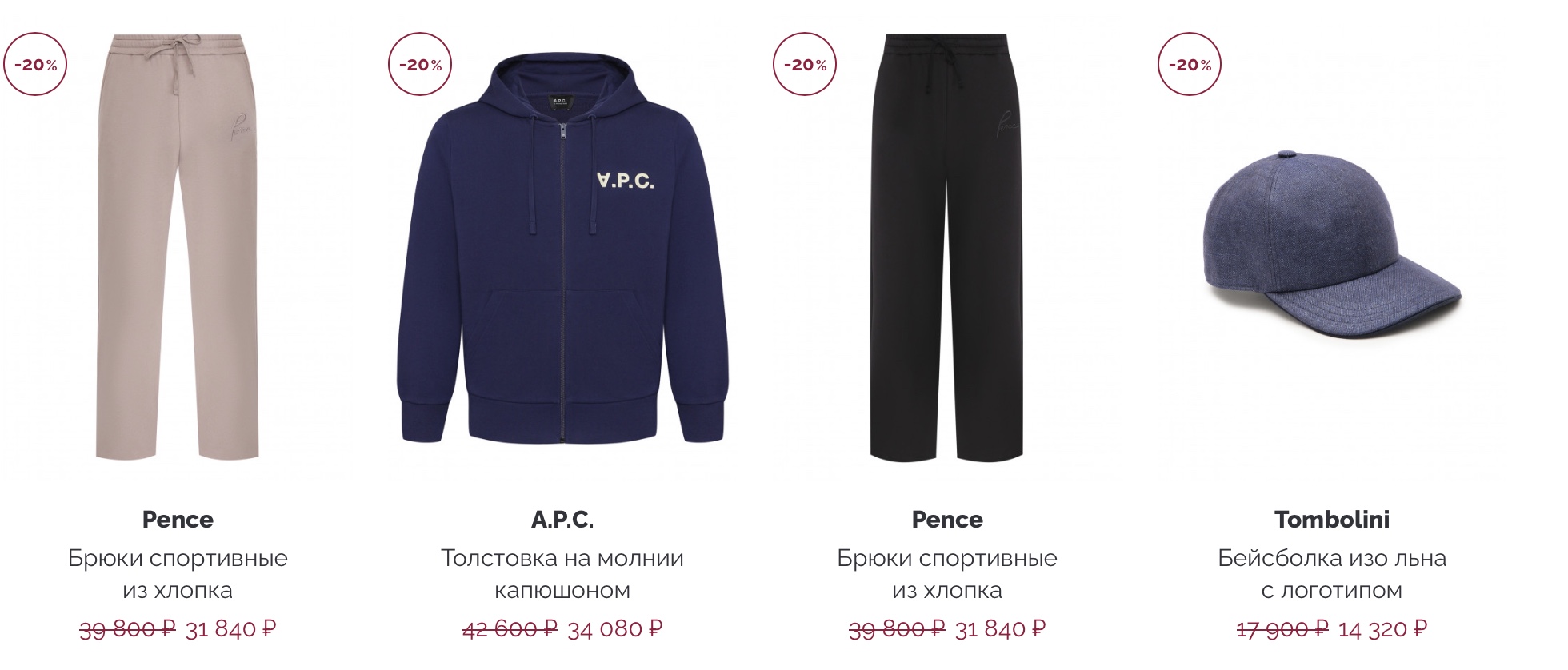
Bosco, meanwhile, bridges the gap between sport and fashion with premium pieces that reference athletic heritage without looking like fan merchandise. A Bosco track jacket could easily hang next to an Adidas Originals piece in a streetwear enthusiast’s wardrobe.
The Secondhand Ecosystem and Handmade Market
Not everything worth ordering is new. Some of the most passionate buying activity happens in Russia’s secondhand and handmade ecosystems.
Avito functions as Russia’s classifieds giant. Think of it as a hybrid of eBay and Gumtree, scaled to serve the world’s largest country. People sell everything. Vintage Soviet watches, mid-century furniture, used cameras, car parts, musical instruments. For European collectors, Avito is a treasure chest that requires patience and a Russian speaker to unlock.
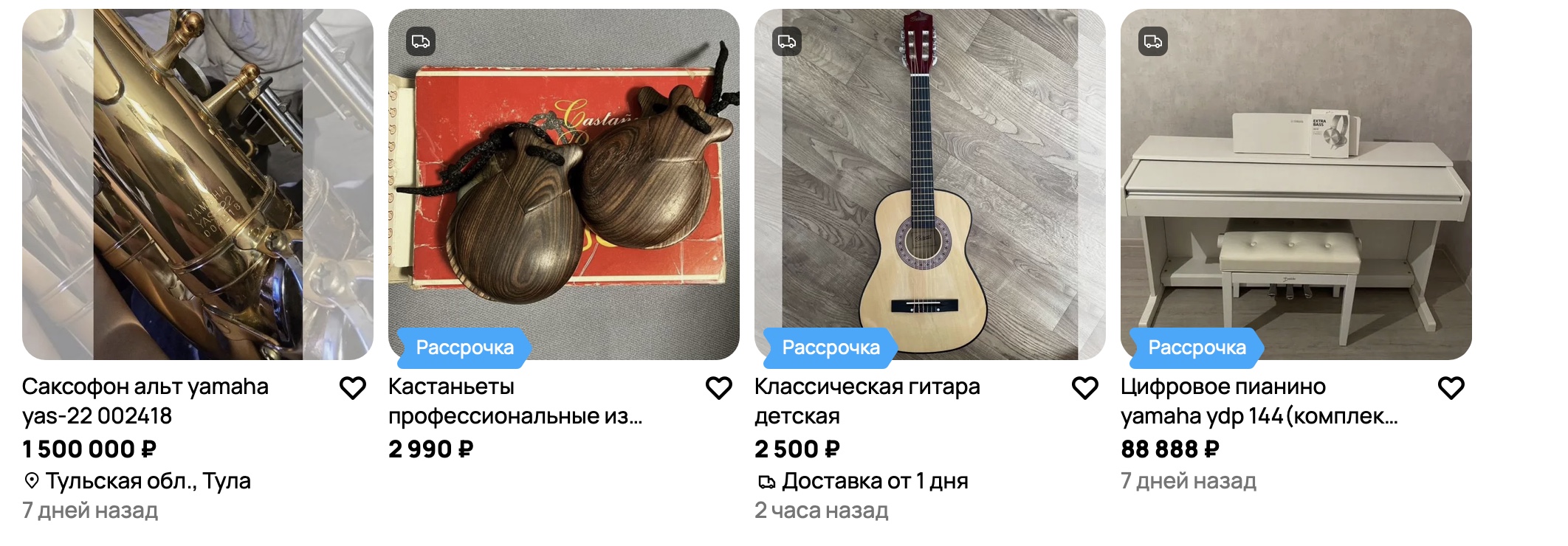
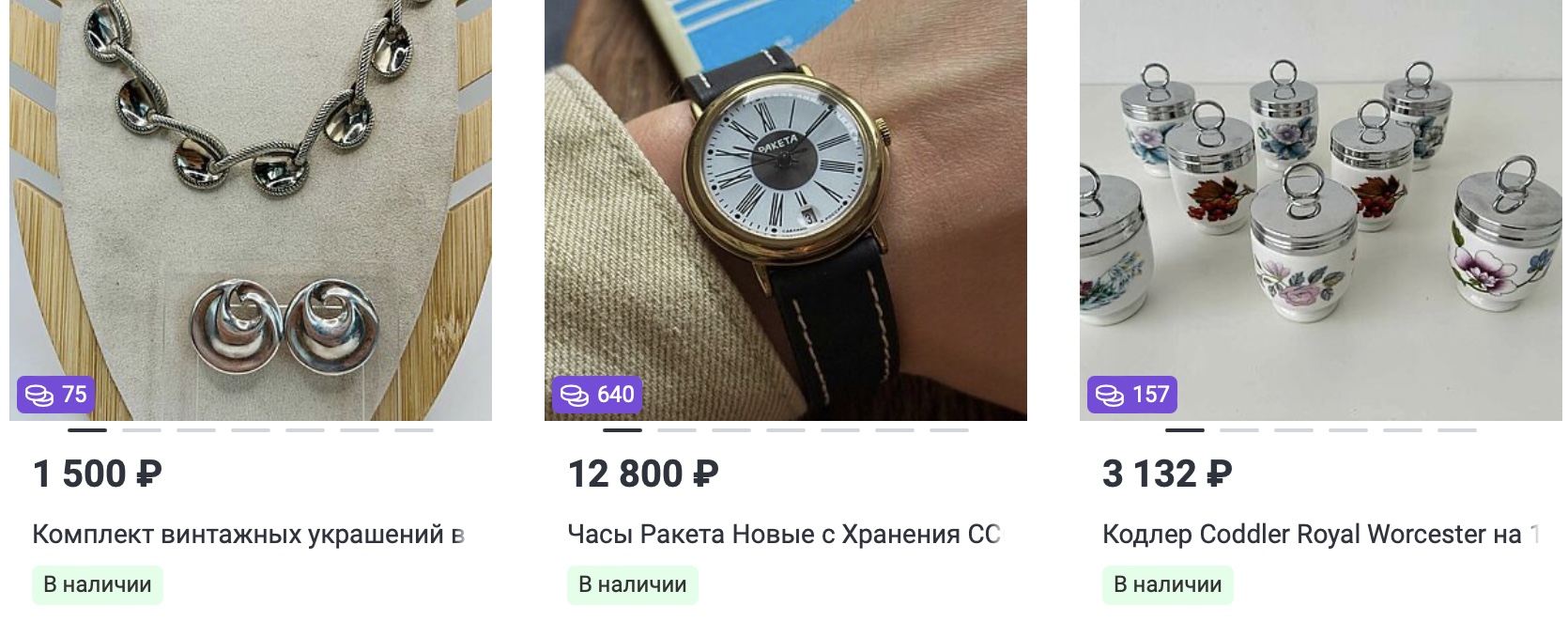
Meshok narrows the focus toward collectibles and antiques. Its name translates to “sack” or “bag,” evoking the idea of rummaging through a sack of old postcards, documents, stamps and badges. Buyers serious about Soviet-era artefacts, military history, or philately often maintain standing searches on Meshok.

Livemaster stands apart from both. It is a marketplace for handmade and artisanal goods, closer in spirit to Etsy. Ceramic jewelry, linen clothing, hand-bound journals, carved wooden toys, embroidered home textiles. The makers are individuals and small studios. And their work carries the imperfections that mass production erases.
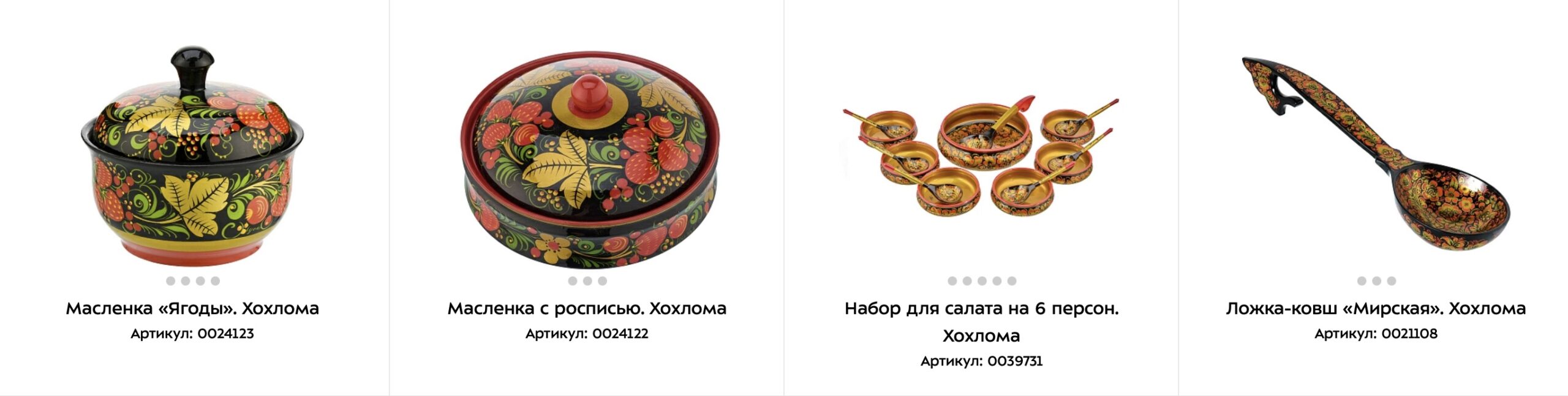
Rus Velikaya adds a folk art dimension, selling traditional crafts like Khokhloma painted bowls, Gzhel porcelain, and birch bark containers. These items appeal to customers furnishing homes with global influences or buying meaningful gifts.
Scale Models, Books, and the Hobbyist Pipeline
Modeling is a serious hobby. And Russian manufacturers and retailers occupy a respected position in this global community.
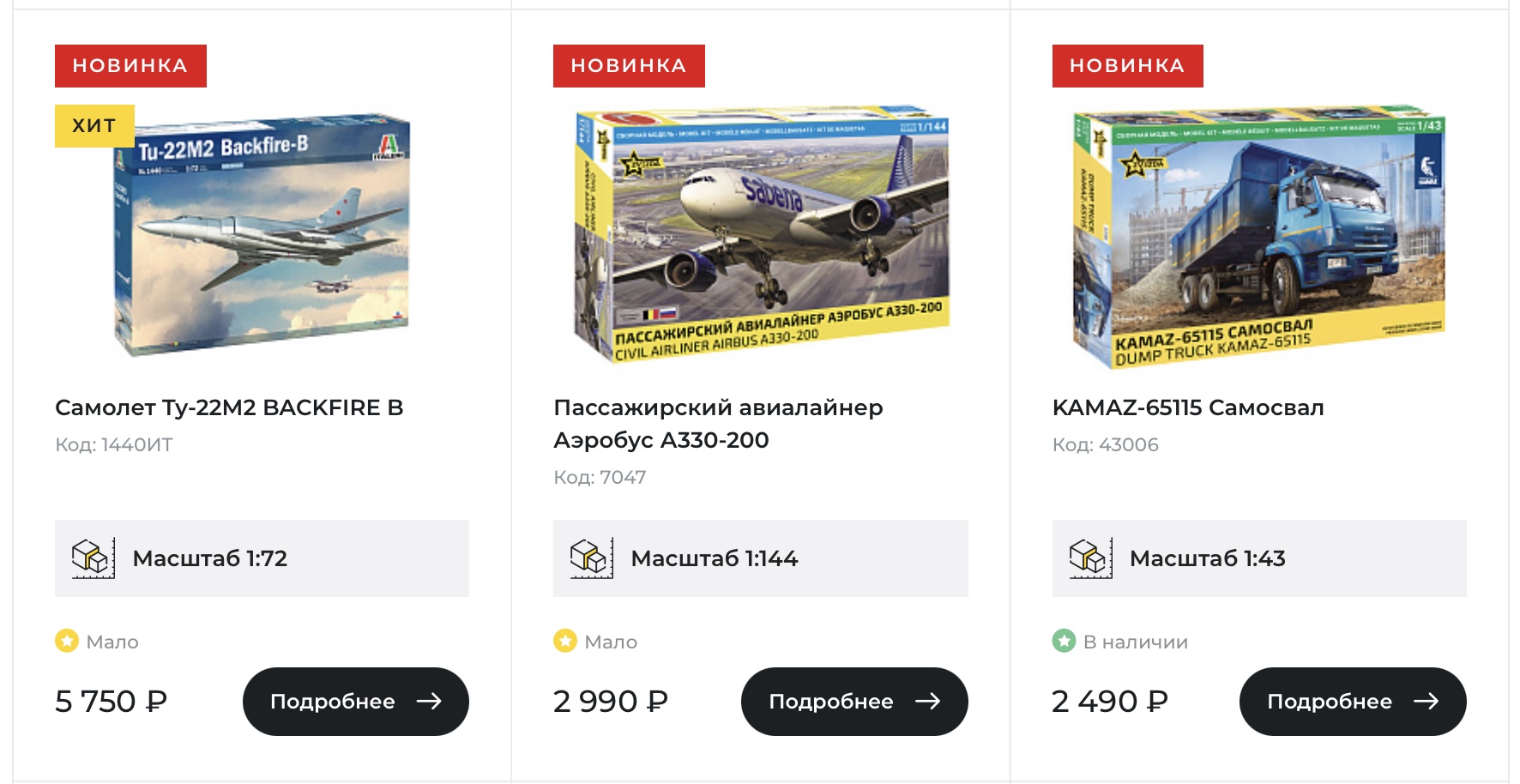
Zvezda is arguably the most famous Russian model brand. Its plastic kits cover military vehicles, aircraft, ships, and historical figures. Hobbyists across the EU value Zvezda for its detailed molds and competitive pricing. Arma Models, I-modellist, and Modellmix serve as distributors and retailers. Stocking not only Russian products but also imported kits that are sometimes cheaper or more available through Russian channels than through European distributors.
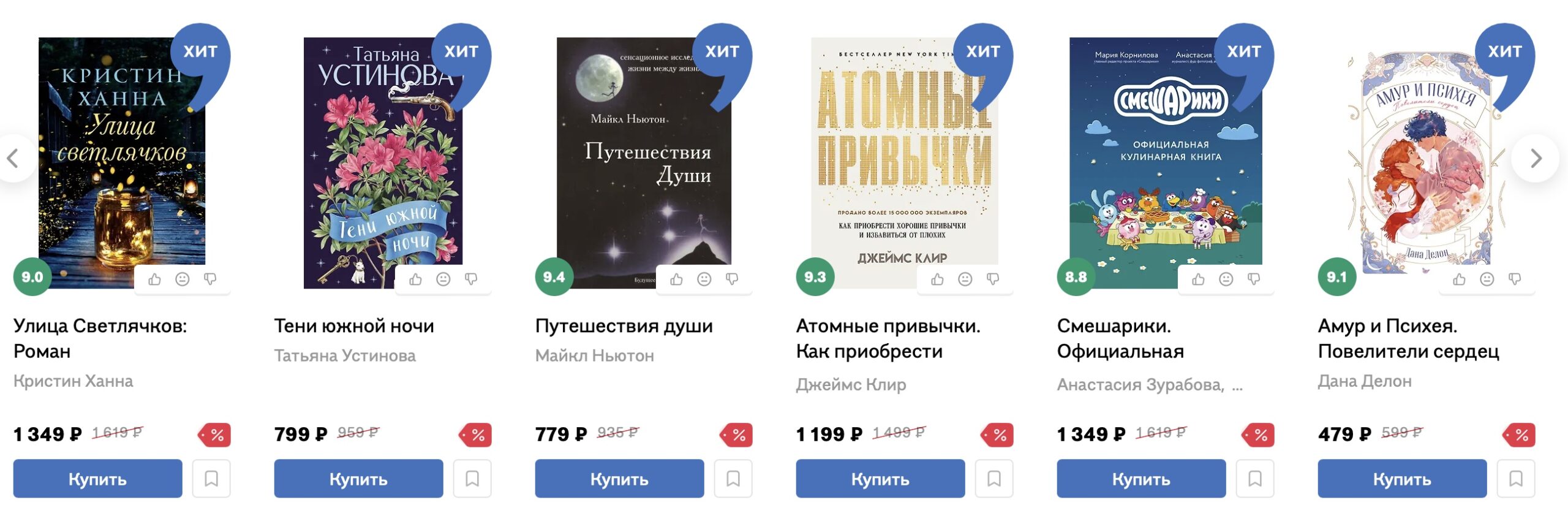
Books form a quieter but consistent stream of orders. Labirint, Chitai-Gorod, and Bookvoed are the three heavyweights of Russian-language bookselling. Expats raising bilingual children order picture books and graded readers. Academics source Russian-language research texts. Literature lovers buy contemporary Russian fiction that has not yet been translated. Books are also the ideal consolidation item. Dense, uniformly shaped, and unbreakable, they slide neatly alongside softer goods. And help balance package weight distribution.
Sourcing Car Parts from Russian Automotive Platforms
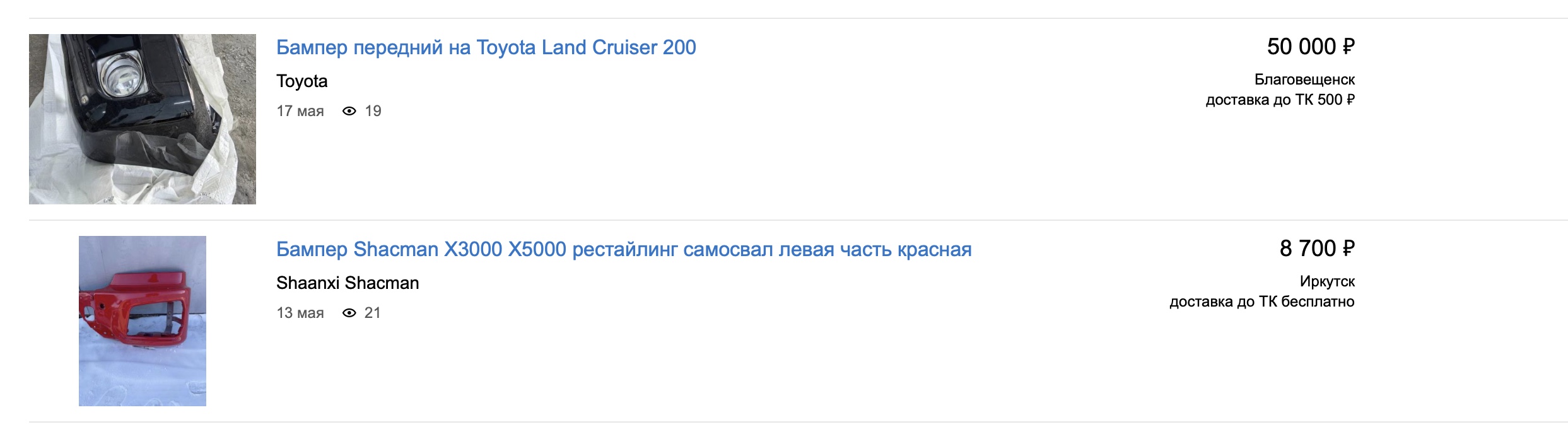
Automotive parts sourcing through Farpost, Exist, and Drom is not glamorous, but it is steady. European owners of Russian or Asian vehicle models often find that specific engine components, body panels. Or suspension parts are either unavailable locally or priced absurdly. Russian platforms frequently offer the same parts at a fraction of the cost. The complexity lies in shipping. Where weight and dimensions demand careful handling and accurate customs paperwork. A forwarding partner who understands how to package heavy, irregularly shaped items and prepare correct export documentation makes all the difference.
Children’s Products and Familiar Brands for EU Families
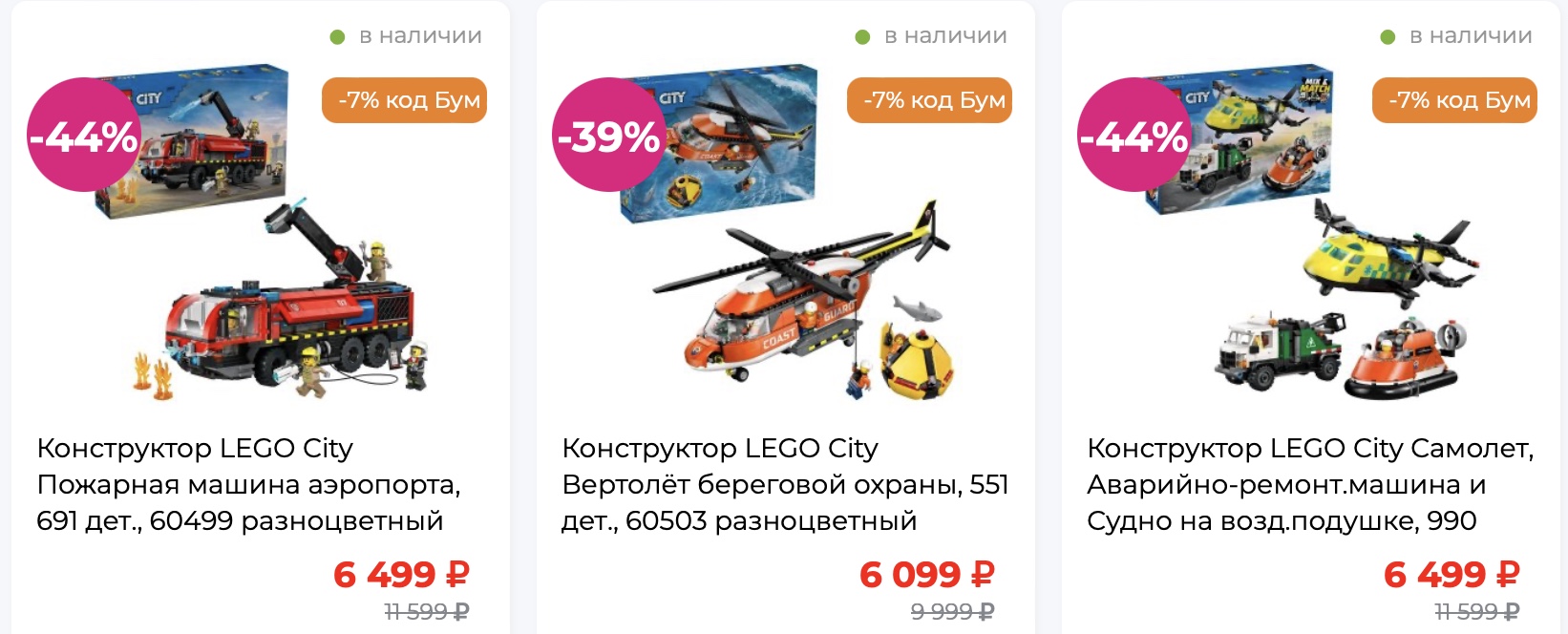
For families, Detskiy Mir is the default destination. The store’s name translates to “Children’s World,” and the description is literal. Toys, clothing, strollers, school supplies, feeding products. Russian expatriate parents often want their children to grow up with certain familiar brands, wooden toys, illustrated books. Or seasonal outfits that match their own childhood memories. Votonia adds another option in this space, offering children’s clothing, nursery accessories, and thoughtful gifts with a softer, more boutique-like atmosphere compared to the department-store scale of Detskiy Mir. Both retailers serve a deep emotional need. The desire to wrap a child in something that smells like home, even when home is thousands of kilometres away.
Social Sellers and the Informal Economy
Finally, a word about the sellers who do not appear in any store directory. Thousands of Russian artisans, crafters, and small-batch producers sell exclusively through social media. Instagram and VK host a sprawling informal economy of knitwear or ceramics makers, candle pourers, silicone mold designers, custom jewelers, handmade toys designers and vintage clothing resellers.
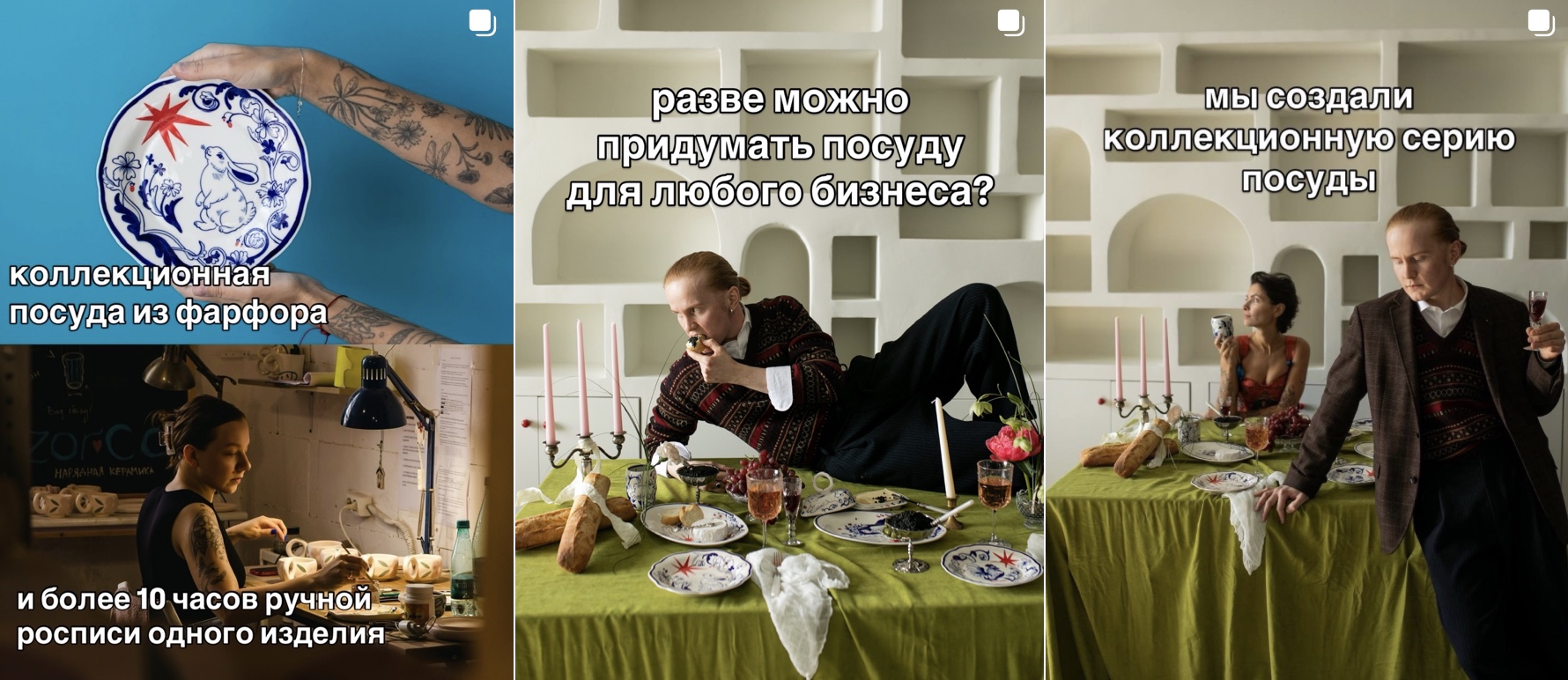

These sellers almost never ship internationally. They accept payments through Russian bank transfers or digital wallets that reject foreign cards. For an EU buyer, reaching them directly is essentially impossible. This is where a personal shopping and forwarding partner becomes not just convenient but essential. The manager communicates with the seller in Russian, pays locally, receives the package, and forwards it. The buyer simply waits for the parcel to arrive.
Bringing It All Together
Ordering goods from a country under sanctions and payment blockades sounds daunting on paper. In practice, it has become a solved problem for those who use the right intermediary. The stores are there, with the unique products and real demand. What changes everything is having someone on the ground who can handle the Russian side of the transaction. While the customer sits in their living room in Vienna, Amsterdam, or Madrid. And tracks a parcel moving steadily westward.
Delivery from Russia to the EU is no longer an experiment. It is a reliable, repeatable process that connects two retail worlds that would otherwise remain separate. Fashion, beauty, literature, hobbies, auto parts, and family goods all flow along this channel because the alternative. Simply not having access, feels like an unnecessary loss.
en.Aukciony.com exists to make sure that loss does not happen. It handles the messy parts of cross-border commerce. So that customers can focus on what they actually want to do. Discover, choose, and enjoy products that happen to come from Russia.
Please note that browsing certain Russian websites may require a VPN depending on your internet service provider. This is a routine technical limitation of regional network configurations. And does not interfere with the purchasing or shipping process managed by en.Aukciony.com. Where dedicated managers can access stores and complete orders on your behalf.
FAQ — Delivery from Russia to EU
How much does packaging cost?
Packaging varies from 9 to 24 euros, depending on size and fragility. For example, a dress costs about 9 euros. A porcelain figurine (fragile, requires strong protection) may be 20–30 euros.
How much does shipping cost?
Shipping costs depend on the weight and destination country. Export registration is 15 euros. Delivery rates depend on the destination country.
How long does delivery take?
Delivery times vary by country. To Switzerland and other European countries — 2 to 5 weeks.
Can I order several items from one seller?
Yes, you can. Create one order, indicate the total amount for all items. Then list the links and characteristics of all items in the comment field. And set the quantity to one. After confirmation, you can pay.
Are there restrictions on what can be shipped?
Some items are not accepted for purchase. Always check with your manager before ordering.
Can I buy directly using a Russian address?
If you have a Russian phone number and a local bank card, yes! Use Aukciony’s Russian address. If you don’t, simply place your order through Aukciony’s buying form. International transfers to Russia don’t work, but Aukciony can handle everything on your behalf.
Nice shopping!

Fill in the Form of the Order | Get an Address For Shopping | Pick Up and Deliver a Parcel | Reviews |
Shipment Calculator | Where To Buy?


